
Dopamine Deficiency: Symptoms, Causes & Treatment
Understanding this stage is crucial for recognizing the early signs of alcohol’s impact on the body and mind. Your brain’s reward circuitry becomes increasingly dysregulated as depression and dependence reinforce each other. The serotonergic Drug rehabilitation system’s modulation of dopamine release in the mesolimbic reward pathway plays a critical role in how mood disorders and alcohol cravings become interlinked.
Research Snapshot: How alcohol reshapes the brain’s dopamine system long after drinking stops
It’s pretty well-known that men and women can experience things differently, and that includes how their brains react to stuff like alcohol. Dopamine, that feel-good chemical, doesn’t always play by the same rules for everyone. Research has shown some interesting differences in how dopamine works in men versus women, especially when it comes to addiction and substance use.
Is cannabis addictive?
It’s a powerful system, and understanding how it works can help you make better choices. The role of dopamine in alcohol addiction and recovery is complex and multifaceted. From the initial artificial boost provided by alcohol to the challenges of withdrawal and long-term recovery, dopamine plays a central role in the entire process. Understanding these changes can provide valuable insights for those on the path to recovery and those supporting them.
The Link Between Dopamine Deficiency and Depression in Alcohol Dependence
This pathway connects the ventral tegmental area (VTA) to the nucleus accumbens, and it plays a crucial role in reinforcing behaviors essential for survival, such as eating and social interaction. Alcohol stimulates the release of dopamine in this pathway, creating a surge of pleasurable feelings, which can reinforce the desire to drink again. Euphoria is typically experienced during the initial stage of alcohol consumption, often referred to as the excitement https://www.saffron5206.com/etoh-meaning-risks-alcohol-addiction-treatment/ stage or the euphoric phase. This occurs when blood alcohol concentration (BAC) is relatively low, usually after one or two drinks, depending on the individual’s tolerance and body composition. During this stage, alcohol stimulates the release of dopamine in the brain, creating feelings of happiness, relaxation, and heightened sociability. However, this phase is short-lived, as continued drinking leads to higher BAC levels, which can result in impaired judgment, coordination, and eventually, sedation or negative effects.

How does dopamine deficiency affect mental health?
For example, medications like bupropion work by regulating dopamine activity, making it easier for individuals to reduce their alcohol consumption and regain control of their mental health. While drinking initially boosts a person’s dopamine levels, the brain adapts to the dopamine overload with continued alcohol use. It produces less of the neurotransmitter, reducing the number of dopamine receptors in the body and increasing dopamine transporters, which carry away the excess dopamine. Researchers are investigating whether drugs that normalize dopamine levels in the brain might be effective in reducing alcohol cravings and treating alcoholism. Alcohol is one of the most widely used psychoactive substances in the world.
- The euphoria wears off quickly, leading to a “crash.” Some people try to avoid this and extend the euphoria by repeatedly taking the drug in a binge pattern.
- To test this, they examined a population of male and female mice in which CD5, a protein found on white blood cells, was genetically disabled.
- To counteract this, setting personal boundaries and engaging in alcohol-free social activities can help reduce reliance on drinking as a social crutch.
- For example, someone at 0.08% BAC (legally impaired in many regions) may feel euphoric but is already at a level where driving becomes dangerous.
Acamprosate stabilizes glutamate activity, reducing withdrawal-related anxiety and dysphoria. Naltrexone blocks opioid receptors, diminishing dopamine surges that reinforce drinking behavior. These medications don’t simply mask symptoms, they actively facilitate neurochemical rebalancing while your brain’s plasticity enables natural repair. Combined with therapy, they help restore healthy GABA, glutamate, dopamine, and serotonin function over time.
Unlike cocaine’s rapid but short-lived dopamine surge, ethanol’s effect is more prolonged but cumulative, often leading to gradual addiction. This distinction underscores why alcohol’s addictive potential is frequently underestimated—its slower onset masks its power. Recognizing ethanol’s role in dopamine manipulation is critical for both prevention and treatment, emphasizing the need to address the brain’s reward system directly in recovery efforts.
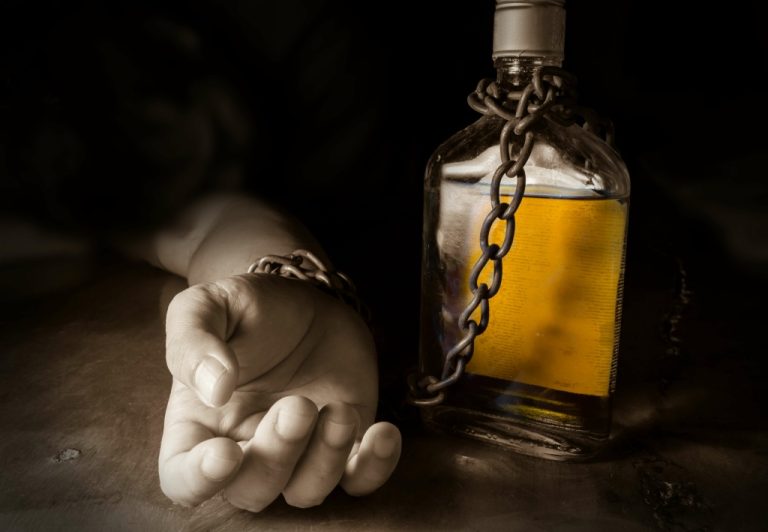
Alcohol and dopamine
For example, someone at 0.08% BAC (legally impaired in many regions) may feel euphoric but is already at a level where driving becomes dangerous. Recognizing the signs of euphoria—such as heightened confidence, laughter, and talkativeness—can help individuals gauge their limits and avoid progressing to more harmful stages of intoxication. Ultimately, understanding physical dependence as a biological adaptation rather than a moral failing is crucial. By combining medical, psychological, and lifestyle interventions, individuals can navigate withdrawal safely and reduce the compulsion to drink, paving the way for long-term recovery. Breaking free from psychological dependence requires a multi-faceted approach. This could involve exercise, meditation, therapy, or connecting with supportive friends and family.
For instance, studies show that individuals who consume alcohol daily for months or years often experience more severe withdrawal symptoms, highlighting the brain’s struggle to recalibrate without it. Consider the process as a hijacking of the brain’s natural reward circuitry. Dopamine, often dubbed the “feel-good” neurotransmitter, is released during activities essential for survival, like eating or socializing. Ethanol exploits this pathway, artificially inflating dopamine levels without providing any survival benefit. Over time, the brain adapts by reducing baseline dopamine production or receptor sensitivity, creating a tolerance effect.
Other Long-Term Health Effects
This could be anything from eating delicious food to binge-watching your favorite show. While neuroimmune research is on the rise, this is the first study to explore whether alcohol consumption might involve neuroimmune mechanisms. In particular, the researchers explored how immune cells function relative to dopamine levels. Currently, there are only three FDA-approved medications for reducing alcohol cravings — all targeting addiction as a brain-based disorder. A new interdisciplinary study from Brigham Young University, however, opens an angle of neuroimmune research that could potentially lead to better medical treatments. Some individuals are more susceptible to alcohol addiction than others, especially due to genetics, mental health and social environment.
- Therefore, education and outreach are key in helping people understand the possible risks of drug use.
- Dopamine is released in response to rewarding stimuli, creating feelings of pleasure and satisfaction.
- This means individuals need higher ethanol doses—such as progressing from 2 drinks to 5 or more—to achieve the same dopamine spike, a hallmark of addiction development.
However, higher doses (4+ drinks in a short period) can overstimulate and subsequently desensitize these receptors, leading to mood swings, increased anxiety, and disrupted sleep patterns. For individuals under 21 or those with pre-existing mental health conditions, even moderate consumption can exacerbate these effects due to developmental or physiological vulnerabilities. Limiting alcohol intake to recommended guidelines—up to 1 drink per day for women and up to 2 drinks per day for men—can minimize NMDA receptor disruption.
In addition to the effect of ethanol on DA release, it can also affect the functioning of DA receptors, particularly alcohol and dopamine D2 and D1 receptors. The D1 receptor binds with excitatory G protein and activates adenylate cyclase (AC) via Gs; AC catalyzes the production of cAMP and cAMP regulates cAMP-dependent protein kinases to open calcium ion channels. D2 receptors bind with inhibitory G protein and thus reduce the production of AC and resulting cAMP. The dopamine (DA) system in the CNS includes the nigrostriatal pathway, the mesolimbic pathway and the tuberoinfundibular pathway. Dopamine is mainly produced in the substantia nigra, projected along the nigrostriatal pathways and stored in the striatum. All of them function both individually and interactively as G-protein coupled receptors.